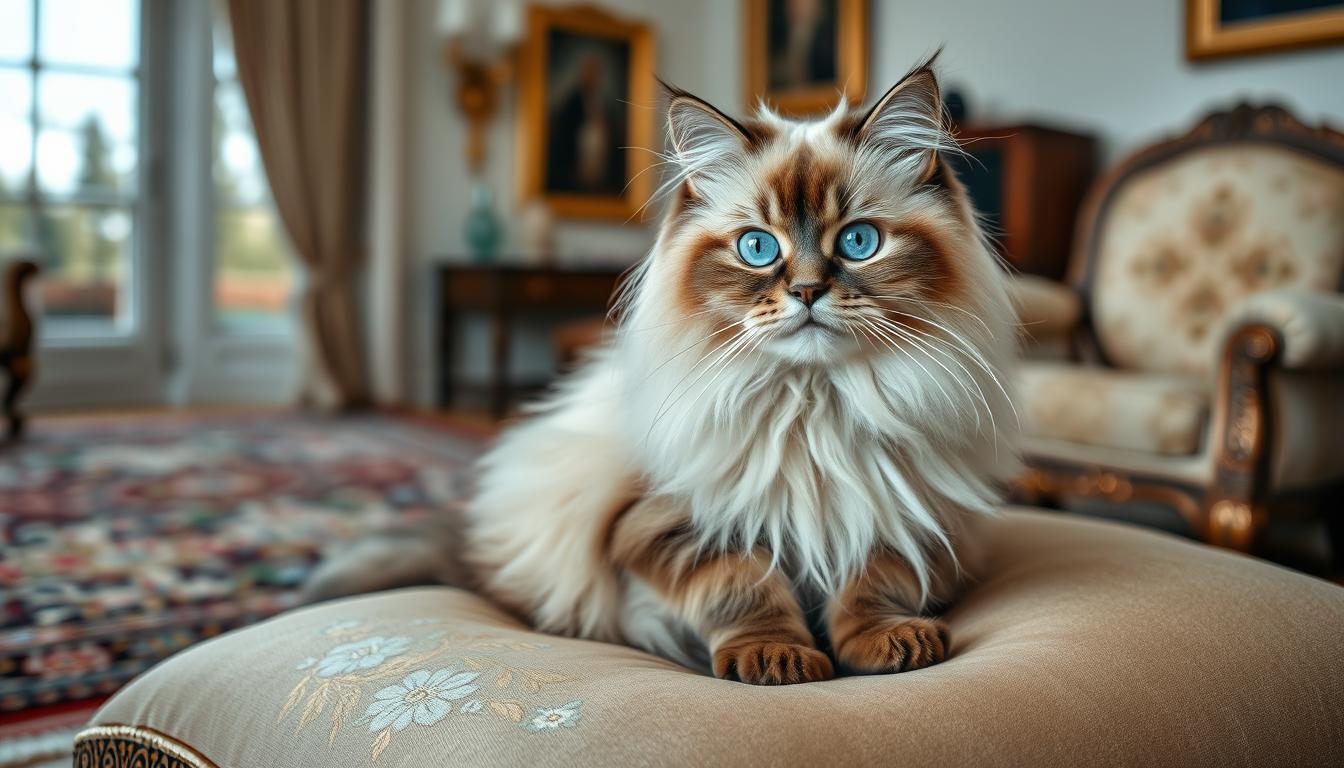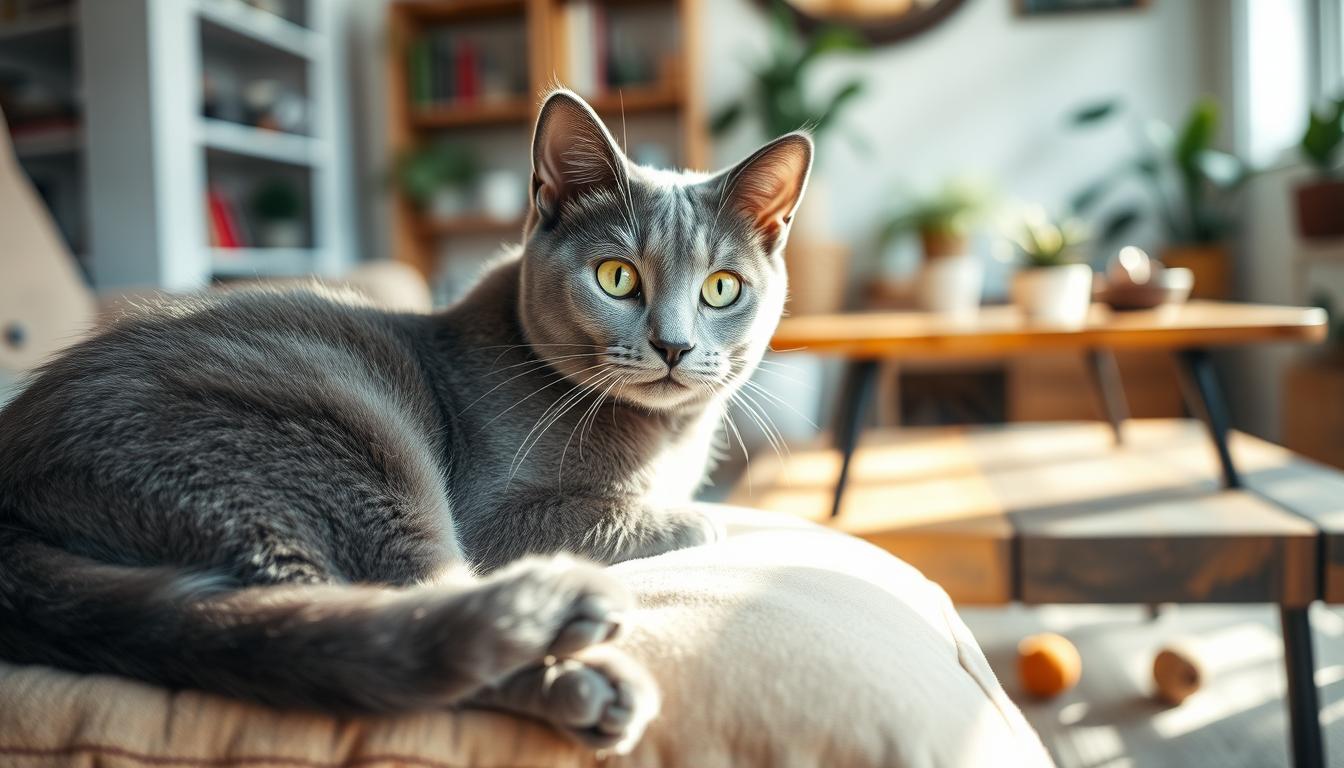


Cats are very clean animals, spending up to 8% of their waking time on grooming. They often lick not just themselves but also their human friends.
Scientists are still trying to understand why cats do this. But, many think it’s because they see their owners as part of their family. This behavior shows they care and want to connect with us.
Key Takeaways
- Cats spend a significant amount of time grooming themselves and others.
- Licking can be a sign of affection or a form of communication in cats.
- Understanding feline grooming behavior can help cat owners better connect with their pets.
- There are multiple theories behind why cats lick their human caregivers.
- Observing and responding to these behaviors can enhance the human-cat bond.
The Basics of Cat Licking Behavior
Cats lick themselves, their owners, and other animals for many reasons. They do it to groom, show love, and mark their territory. This behavior is key to their communication and well-being.
What Does Licking Mean to Cats?
Licking is a big part of how cats talk and show feelings. It’s how they show love, calm down, and mark their space. When they lick their owners, it means they trust and care for them.
Some main reasons cats lick include:
- Showing affection and trust towards their owners
- Grooming themselves to stay clean and healthy
- Marking their territory by leaving their scent behind
How Cats Use Their Tongues
Cats’ tongues are special for grooming. They have tiny, backward-facing barbs called papillae. These help remove dirt, loose hair, and parasites from their fur, keeping them clean.
The way a cat’s tongue is made is important for grooming. The papillae work like a comb. They help cats:
- Remove loose hair and reduce shedding
- Clean their coats and remove dirt and parasites
- Distribute skin oils to keep their coats healthy
Knowing how cats use their tongues helps us understand their grooming habits and health.
Grooming: A Sign of Affection
When cats groom their owners, it shows they trust and care for them. This act is like how they bond with other cats. It’s a natural way for them to show love and strengthen their ties.
Understanding Social Grooming
Social grooming is when cats clean each other to build stronger bonds. It’s not just about being clean; it’s a sign of trust and love. As one expert says,
“Grooming is a social activity that reinforces bonds between cats.”
When your cat grooms you, it’s like they’re welcoming you into their family. They trust and care for you deeply.
Bonding Through Grooming Rituals
Grooming rituals with your cat can be very special. It’s a time of closeness where your cat might lick you. This is their way of marking you with their scent, showing you belong to them.
| Aspect of Grooming | Significance |
|---|---|
| Social Bonding | Strengthens ties between cats and their owners |
| Trust and Affection | Displays comfort and trust towards the groomed individual |
| Scent Marking | Marks the owner with the cat’s scent, signifying ownership |
Knowing about these behaviors can make your bond with your cat even stronger. It can lead to a more loving and rewarding relationship.
Communication Through Licking
Cat licking is more than grooming; it’s a way to share feelings and comfort. It’s a key way cats talk to us, making our bond stronger.
Showing Love Through Licking
Cats lick us to show love. This comes from their kitten days, when they were groomed by mom. It means they feel safe and happy with us.
Licking as a Form of Affection: When cats lick us, they often purr, knead, or rub too. These actions together show deep affection and strengthen our connection.
Licking as a Stress Reliever
Licking helps cats relax when they’re stressed or unsure. It’s a calming habit that lowers their anxiety.
Displacement Behavior: Cats might lick too much when they’re stressed or anxious. Spotting this can help us address their stress and make them feel better.
| Reasons for Cat Licking | Description |
|---|---|
| Affection | Cats lick to show love and extend maternal bonding experiences to their owners. |
| Stress Relief | Licking serves as a self-soothing behavior, helping cats to calm down. |
| Displacement Behavior | Excessive licking can be a sign of underlying anxiety or stress. |
Understanding why our cats lick helps us meet their needs and grow our bond. Whether it’s showing love or easing stress, licking is key to their communication.
Instinctual Behaviors in Cats
Instinctual behaviors in cats are truly fascinating. These actions come from their wild ancestors. They help cats interact with their world and owners. Licking is a key behavior, used for grooming and bonding.
The Role of Mother Cats
Mother cats teach kittens vital survival skills by licking them. Licking keeps kittens clean and creates a familiar scent. This is essential for their growth and sense of security.
By licking, mother cats also boost kittens’ circulation and fight parasites. This early bond shapes kittens’ social skills, including with humans.
How Licking Connects to Survival
Licking is a survival instinct for cats. In the wild, it cleans their coats and keeps them healthy. It also helps them recognize each other, which is key for their social life.
- Licking removes parasites and dirt from the coat.
- It aids in scent marking, which is crucial for social recognition.
- Licking stimulates circulation and helps in the overall grooming of the cat.
Understanding these behaviors helps cat owners appreciate their pets more. Recognizing the importance of licking strengthens the bond between cats and their owners.
Licking vs. Biting: What’s the Difference?
Feline behavior is complex, with licking and biting showing their emotional state. Understanding these behaviors helps us meet our cats’ needs and emotions.
Cats lick or bite during play or when they feel overstimulated. It’s important to know the difference to understand their behavior.
Recognizing Playful vs. Aggressive Behavior
Playful cats often lick or bite gently, with a relaxed body. Aggressive behavior, on the other hand, involves harder biting or licking and tense body language.
To tell if your cat is playing or being aggressive, look at their body language. Playful cats are usually relaxed, while aggressive ones are stiff.
| Behavior | Playful | Aggressive |
|---|---|---|
| Licking/Biting | Gentle, soft | Forceful, hard |
| Body Language | Relaxed | Tense, rigid |
Signals to Watch For
It’s key to understand the signals with licking and biting to know what your cat wants. Look for:
- Ears forward or relaxed
- Tail twitching or held high
- Vocalizations, like purring or hissing
By noticing these signs, you can respond in a way that strengthens your bond and keeps your relationship peaceful.
Knowing the difference between licking and biting, and the signals they bring, helps us connect better with our cats. This builds a more caring and supportive relationship.
When Licking Becomes Excessive
Excessive licking in cats can be a worry, showing health problems or behavioral issues. As cat owners, watching our cat’s licking is key. We need to know when it’s too much.
Identifying Potential Health Issues
Too much licking might mean dental, skin, or stomach problems. If your cat licks a certain spot a lot, it could be in pain. Knowing cat behavior helps spot health issues early.
Some common health problems leading to too much licking include:
- Oral health problems, such as gum disease or tooth abscesses
- Skin conditions like allergies or flea bites
- Gastrointestinal issues, including food sensitivities or inflammatory bowel disease
| Health Issue | Symptoms | Possible Causes |
|---|---|---|
| Oral Health Problems | Bad breath, yellow teeth, excessive drooling | Gum disease, tooth abscesses |
| Skin Conditions | Itching, redness, hair loss | Allergies, flea bites, skin infections |
| Gastrointestinal Issues | Vomiting, diarrhea, loss of appetite | Food sensitivities, inflammatory bowel disease |
Behavioral Disorders in Felines
Excessive licking can also mean behavioral problems in cats. Stress, anxiety, or boredom can cause it. 
To fix behavioral issues, finding the root cause is key. This might mean changing the cat’s environment or reducing stress. Sometimes, a vet or animal behaviorist can offer great advice.
Understanding why our cat licks too much helps us fix the problem. This ensures our pet stays healthy and happy.
The Impact of Environment on Licking Behavior
Cats are very sensitive to their surroundings. This shows in their licking behavior. Their environment greatly influences their grooming habits.
Stressful Situations and Licking
Stress can make cats lick more. They lick to calm themselves. It’s important to find out what stresses them.
Stressors for cats include changes at home, new pets, or changes in our work schedule. Knowing these can help us reduce stress for our cats.
Changes in Routine and Their Effects
Changes in routine can stress cats. They like things to stay the same. This stress can lead to more licking.
To ease this, we should introduce changes slowly. For example, if our work schedule changes, we can start by adjusting our time with our cat a little at a time.
| Environmental Factor | Impact on Licking Behavior | Mitigation Strategy |
|---|---|---|
| Stressful Situations | Excessive licking as a coping mechanism | Identify and minimize stress sources |
| Changes in Routine | Anxiety leading to excessive grooming | Gradually introduce changes to routine |
Understanding how our cat’s environment affects their licking helps us create a better home. This improves our bond and their grooming habits.
Tips for Understanding Your Cat’s Licking
Understanding your cat’s licking can make your bond stronger. Cats use licking to communicate. By watching when and how they lick, you can learn about their feelings and needs.
Observing Body Language
It’s important to watch your cat’s body language. Look at their posture, facial expressions, and tail movements when they lick you. A relaxed cat will have a loose posture, while a tense cat might show other signs.

If your cat licks you while being relaxed, it’s a sign of love. But if they lick frantically or show other signs of stress, they might be anxious. Knowing these signs helps you meet their needs.
Setting Healthy Boundaries
Setting boundaries is key to a good relationship with your cat. While it’s sweet when they lick you, too much can be too much. Setting gentle limits helps your cat know what’s okay.
To set these limits, you can stop them from licking by giving them a toy or scratching post. It’s important to be consistent. Make sure everyone agrees on what’s okay and what’s not. This way, you can have a better relationship with your cat.
By understanding your cat’s body language and setting boundaries, you can improve your relationship. This not only strengthens your bond but also helps your cat’s emotional and social health.
Conclusion: Embrace Your Cat’s Affection
Understanding why your cat licks you is key to deepening your bond. It makes enjoying the benefits of feline companionship even better. By recognizing the reasons behind cat licking behavior, we can better appreciate the affection our cats show us.
Feline Companionship and Its Rewards
Cat licking behavior is a natural expression of affection. It shows your cat feels comfortable and secure in your presence. When your cat bonds with you, it can lead to a more fulfilling relationship. You’ll understand their needs and behaviors better.
Nurturing a Positive Relationship
To encourage positive licking behavior, observe your cat’s body language and respond appropriately. By doing so, you can strengthen your connection and create a more loving environment. As we understand why does my cat lick me, we can foster a deeper and more meaningful relationship with our feline friends.