
Did you know the Domestic Shorthair is the most common feline companion in the U.S.? They are known for being adaptable and having unique personalities. This makes them great pets for many different homes. Their friendly nature is just one reason they’re so loved.
and affectionate personalities stand out. They show the joy cats can bring to our lives.
Key Takeaways
- The Domestic Shorthair is a highly adaptable pet.
- They are known for their unique and affectionate personalities.
- Domestic Shorthairs are a popular choice among various cat breeds.
- They are relatively low maintenance pets.
- Their friendly nature makes them excellent family companions.
Introduction to Domestic Shorthair Cats
The Domestic Shorthair is not a specific breed but a broad term for cats with short coats. They come from a wide range of genetic backgrounds. This makes them one of the most varied and resilient cat groups.
What is a Domestic Shorthair?
Domestic Shorthairs are often called the “mutts” of the cat world. They have mixed ancestry and are not a specific breed. They are known for their short coats and diverse physical characteristics.
Experts say Domestic Shorthairs are robust and adaptable. They can thrive in many living environments.
“Domestic Shorthairs are a testament to the adaptability and resilience of cats,” says a feline expert. “Their diverse genetic makeup contributes to their overall health and ability to thrive in different settings.”
History and Origins of the Breed
The history of Domestic Shorthairs goes back thousands of years. They were present in ancient Egypt around 2000 BC. These cats spread to different parts of the world, adapting to various climates and cultures.
Their long history has led to a wide range of coat colors and patterns. This diversity makes each Domestic Shorthair unique.
Popularity Among Cat Owners
Domestic Shorthairs are very popular among cat owners. They are known for their affectionate nature, intelligence, and low-maintenance grooming needs. They have a “dog-like” personality, following owners around and playing with them.
They are also known for forming strong bonds with their human families. As loyal companions, they are both playful and affectionate. This makes them an ideal pet for many households.
Characteristics of Domestic Shorthairs
The Domestic Shorthair breed is known for its strong health, varied looks, and loving nature. This mix of traits makes them great friends for many people.
Size and Build
Domestic Shorthairs come in many sizes and shapes. They can be big and strong or lean and agile. Males are usually bigger than females.
They can weigh between 6 to 16 pounds. Some may be bigger or smaller than that.
Coat Colors and Patterns
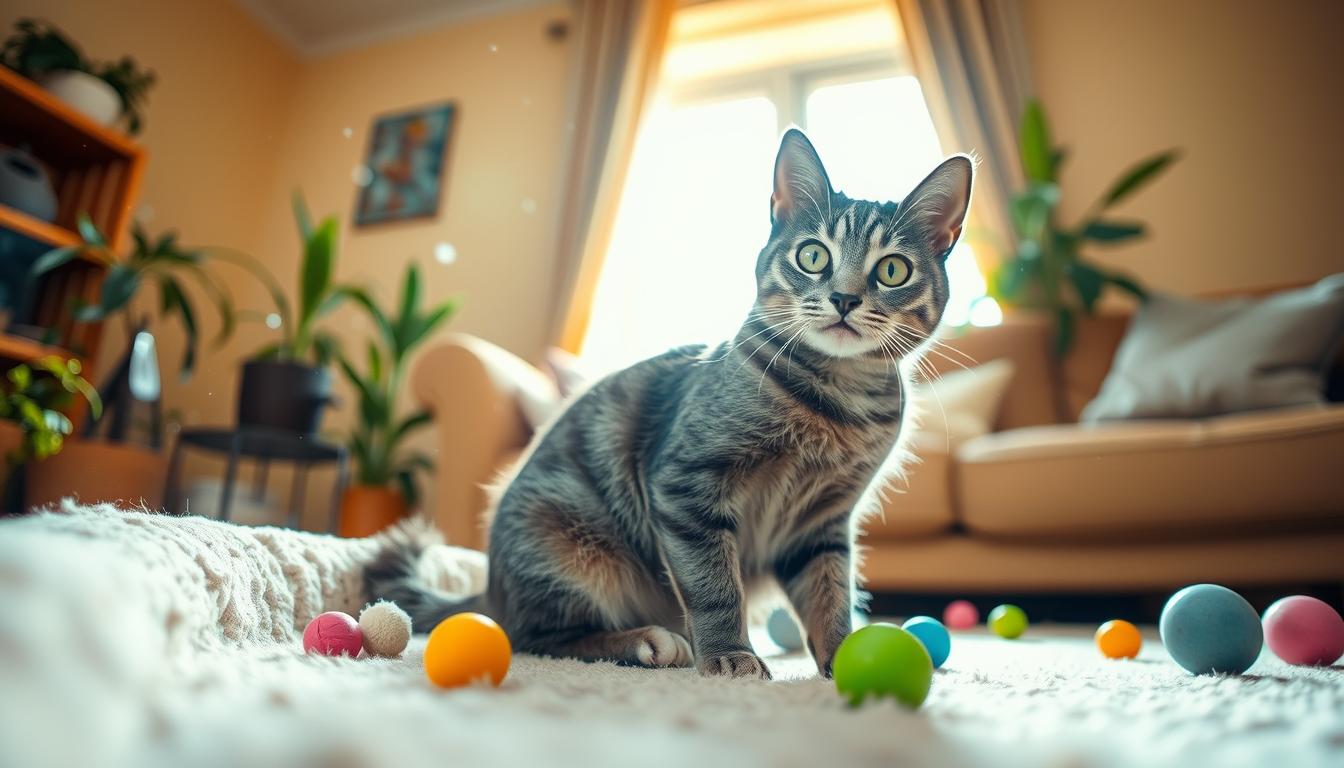
Domestic Shorthairs have a wide range of coat colors and patterns. They can be solid, tabby, tortoiseshell, calico, or bi-color. The tabby pattern is very common, with its unique M-shaped forehead markings.
They can also have calico or tortoiseshell patterns. This makes every Domestic Shorthair special and unique.
Temperament and Personality
Domestic Shorthairs are friendly and outgoing. They love to play and are very affectionate. This makes them great with families.
They usually get along well with kids and other pets if they’re socialized right. Domestic Shorthairs can live happily in many homes, from busy ones to quiet apartments.
Key personality traits of Domestic Shorthairs include their smarts, curiosity, and love for people. They bond strongly with their owners and are seen as loyal friends.
Health Considerations for Domestic Shorthairs
Domestic Shorthairs are generally healthy, but owners should watch for certain health issues. They are known for their strong health. Still, they need regular care to stay well.
Common Health Issues
Domestic Shorthairs might face issues like obesity and dental disease. Obesity happens when a cat eats more than it burns, leading to weight gain. This can raise the risk of diabetes, arthritis, and heart disease.
Dental disease includes tartar buildup, gum inflammation, and tooth loss. It’s important to keep an eye on your cat’s diet and oral health.
To avoid these problems, feed your cat a balanced diet and make sure they exercise. Brushing their teeth and giving dental chews can help with dental health.
Regular Veterinary Care
Regular vet visits are key for your Domestic Shorthair’s health. These visits include vaccinations, parasite control, and health screenings. Vaccinations protect against serious diseases, and parasite control prevents fleas, ticks, and worms.
Annual or bi-annual check-ups are recommended, depending on your cat’s age and health. These visits are also a chance to talk about any health concerns or changes in behavior.
Importance of Spaying and Neutering
Spaying or neutering your Domestic Shorthair is crucial for their health. It prevents unwanted breeding and reduces health risks. For example, spaying females stops uterine infections and breast tumors. Neutering males prevents testicular cancer and prostate issues.
It also helps with bad behaviors like spraying or roaming. Talk to your vet about the best time for this procedure, as it depends on age, health, and more.
Nutrition and Diet for Domestic Shorthairs
Nutrition is key for Domestic Shorthair cats’ health and long life. A balanced diet keeps them healthy and prevents health problems.
Recommended Feeding Practices
Feed your Domestic Shorthair high-quality cat food that fits their age. Watch their food intake to avoid obesity, a common problem.
- Feed according to the cat’s life stage and activity level.
- Monitor food intake to prevent overeating.
- Consider a feeding schedule to maintain consistency.
Choosing the Right Cat Food
Choosing the right cat food can be tough. Look for food rich in protein, with moderate fat, and low in carbs. Stay away from foods with fillers and by-products.
Key Considerations:
- High protein content from named animal sources.
- Moderate fat content for energy.
- Low carbohydrate content to mimic natural diet.
- Avoid fillers and by-products.
Treats and Snacks: Dos and Don’ts
Treats are great for rewarding your Domestic Shorthair, but they shouldn’t be more than 10% of their daily calories. Pick healthy, low-calorie treats. Don’t give them human food, like chocolate or onions, as it’s toxic.
- Limit treats to 10% of daily calorie intake.
- Choose low-calorie, nutrient-rich treats.
- Avoid human food, specially toxic foods.
By following these tips, you can help your Domestic Shorthair cat live a healthy and joyful life.
Grooming Needs of Domestic Shorthairs
Domestic Shorthairs have short coats but still need regular grooming. Their coats are easy to care for but need attention to prevent shedding and hairballs.
Brushing and Bathing
Brushing your Domestic Shorthair regularly is key. It cuts down on shedding and keeps their coat healthy. Brush them weekly, but more often during shedding season.
Bathing is less needed, only when they get dirty or smell bad.
Gentle brushing is best to avoid skin irritation. Use a soft-bristle brush or grooming glove for a pleasant experience.
Nail Care and Ear Cleaning
Nail care is crucial. Long nails can be painful and unhealthy. Trim their nails every few weeks, being careful not to cut too short. If unsure, ask a vet or groomer for help.
Ear cleaning is also important. Check their ears weekly for dirt or signs of infection. Use a cotton ball or soft cloth with gentle ear cleaner. Never put anything in the ear canal.
Managing Shedding
Managing shedding is vital for grooming. Regular brushing and a balanced diet with omega-3 fatty acids help. This keeps their coat healthy and reduces shedding.
By following these grooming tips, you can keep your Domestic Shorthair’s coat in great shape. It also strengthens your bond through gentle, regular care.
Training Your Domestic Shorthair
Training your Domestic Shorthair is all about knowing their nature and using positive methods. They are smart and can learn quickly. With patience and consistency, you can teach them many useful things.
Basic Command Training
Teaching your Domestic Shorthair basic commands is fun and rewarding. Start with simple ones like “sit,” “stay,” and “come.” Use treats and praise to reward them when they do it right.
- Start with short sessions to keep them interested.
- Use tasty treats to motivate them.
- Always be consistent with commands and rewards.

Litter Box Training Tips
Keeping your home clean means successful litter box training. Most Domestic Shorthairs know how to use a litter box. But, there are steps to make sure they learn well.
- Put the litter box in a quiet, easy-to-reach spot.
- Keep it clean by scooping daily and changing the litter weekly.
- Have one litter box per cat, plus one extra.
Addressing Behavioral Issues
Domestic Shorthairs can have behavioral problems if their needs aren’t met. Issues like scratching furniture, not using the litter box, and meowing too much can happen. It’s important to solve these problems quickly.
- Give them places to scratch, like scratching posts.
- Find and fix the reasons behind their behavior, like stress or health issues.
- Use positive methods to encourage good behavior.
Understanding your Domestic Shorthair’s needs and using positive methods can solve behavioral problems. This keeps your home a happy place for everyone.
Lifestyle and Environment
Knowing what Domestic Shorthairs need for a happy life is key. They fit well in many homes, making them versatile pets. They can adapt to different living spaces.
Ideal Living Conditions for Domestic Shorthairs
Domestic Shorthairs do well in various homes, from small apartments to big houses. They need a safe and comfy place to live. They like having their own spot, like a cozy bed or a quiet area.
It’s also important to make your home safe for them. Remove things that could harm them and keep toxic stuff out of reach.
Creating a Cat-Friendly Home means more than just the basics. It’s about setting up a space that encourages their natural behaviors. This includes scratching posts, climbing structures, and lots of toys.
Importance of Play and Exercise
Play and exercise are crucial for Domestic Shorthairs’ health. Playing keeps them agile, burns energy, and keeps their minds sharp. You can play simple games like chasing a laser or a ball of yarn, or use puzzle toys for more complex fun.
| Activity | Benefits | Frequency |
|---|---|---|
| Laser Pointer Chases | Improves agility and burns energy | Daily |
| Puzzle Toys | Stimulates mental health and problem-solving skills | Several times a week |
| Interactive Play with Feather Toys | Encourages natural hunting behavior and exercise | Daily |
Indoor vs. Outdoor Debate
Deciding if your Domestic Shorthair should stay indoors or go outside is big. Staying indoors keeps them safe from dangers like cars, wild animals, and diseases. But, going outside can give them more to do and exercise.
If you let your cat outside, make sure they’re safe. You can use a fence or a special outdoor area to keep them from harm.
Whether to keep your Domestic Shorthair indoors or let them outside depends on your ability to keep them safe. It also depends on what they like and need.
Socialization: Building Relationships
Socialization is key for Domestic Shorthairs to become confident and loving pets. It involves introducing them to new places, people, and pets slowly and carefully.
Introducing a New Domestic Shorthair
When you bring a new Domestic Shorthair home, make the transition smooth. Give them a quiet room with everything they need, like food, water, and toys. This room helps them get used to their new home without stress.
For more info on welcoming a new Domestic Shorthair, check out this resource.
Tips for Multi-Pet Households
Adding a new Domestic Shorthair to a home with other pets needs careful planning. Here are some tips for peace:
- Make sure each pet has their own food, water, litter, and scratching posts.
- Start by letting pets see each other from a distance, then smell each other, and eventually meet face-to-face under watch.
- Watch how pets act and step in if you see any signs of trouble.
If you have a lot of pets, getting help from oboucing.com can be really helpful.
Engaging with Your Cat
Spending time with your Domestic Shorthair is important for a strong bond. Play with them using toys that mimic hunting. This play helps your bond grow and keeps your cat happy and healthy.
By using good socialization methods, you can create a loving home for your Domestic Shorthair.
Common Misconceptions about Domestic Shorthairs
Despite their popularity, Domestic Shorthairs face many myths. These myths are not true. Let’s look at some common misconceptions and find out what’s real.
They’re Just Mutt Cats
Many think Domestic Shorthairs are just “mutt cats” with no special traits. But this is not true. They are known for their health, smarts, and love for people, making them great pets.
Characteristics of Domestic Shorthairs include being adaptable, playful, and strong. They are not a single breed but a group of cats with similar traits.
They Don’t Need Much Attention
Some believe Domestic Shorthairs need little care. But they do need regular interaction and care to be happy and healthy. This includes feeding, grooming, and playtime.
Domestic Shorthairs love engaging activities like playing with toys or cuddling. If they don’t get enough attention, they might get bored or have behavioral problems.
They’re Less Affectionate
Some think Domestic Shorthairs are not as loving as other cats. But this is not true. They are very loyal and loving to their owners. They form strong bonds and enjoy being around people.
| Misconception | Reality |
|---|---|
| They’re just mutt cats | They have distinct characteristics like adaptability and playful personalities |
| They don’t need much attention | They require regular interaction, feeding, grooming, and playtime |
| They’re less affectionate | They are loyal and affectionate, forming strong bonds with their owners |

In conclusion, Domestic Shorthairs are often misunderstood. By knowing the truth about them, we can see their unique qualities. We can then give them the care and attention they deserve.
Adoption and Rescue Options
Domestic Shorthairs are very popular in shelters. They make great pets for many families. Understanding the adoption process is key.
Finding a Domestic Shorthair
These cats are often in animal shelters and rescue centers. They are one of the most common breeds in shelters. You can find them at local shelters or online.
Tips for Finding a Domestic Shorthair:
- Visit local animal shelters
- Check online adoption websites
- Contact local cat rescue groups
Adoption Centers and Shelters
Adoption centers and shelters help find homes for Domestic Shorthairs. They care for cats until they are adopted. Seeing a cat go from a shelter to a loving home is rewarding.
What to Expect When Adopting
Adopting a Domestic Shorthair involves a detailed process. It starts with an application, then an interview with an adoption counselor. Sometimes, there’s a home visit to ensure the cat’s safety.
Key Steps in the Adoption Process:
- Application and initial screening
- Meeting with an adoption counselor
- Potential home visit
- Finalizing the adoption
The Role of Domestic Shorthairs in Families
The Domestic Shorthair cat is more than a pet; it’s a loved family member. They are affectionate and adaptable, making them a common sight in many U.S. homes.
Companionship and Emotional Support
Domestic Shorthairs are known for their companionship and emotional support. They can sense their owner’s feelings, offering comfort when needed. This empathetic trait makes them great for families, providing a listening ear or a comforting purr.
The bond between a Domestic Shorthair and their family is very strong. They love to be involved in daily activities, like watching TV or playing together.
Benefits for Children
Having a Domestic Shorthair can be great for kids. It teaches them about responsibility and empathy, important life skills. Caring for a pet helps kids understand the value of caring for another living being.
- Develops a sense of responsibility
- Encourages empathy and compassion
- Enhances social skills through interaction with the pet
The Purrfect Family Pet
Domestic Shorthairs are often seen as the purrfect family pet. They are easy-going and adaptable. They usually get along well with children and other pets, making them perfect for families with multiple pets or young kids.
In conclusion, Domestic Shorthairs are a big part of many families. They offer companionship, emotional support, and joy. Their ability to form strong bonds with family members and their benefits for children make them a great choice for families looking to adopt a pet.
Conclusion: Why Choose a Domestic Shorthair
Domestic Shorthairs are great pets for many families. They are loving, adaptable, and easy to care for. This makes them perfect for a wide range of homes.
Key Attributes
These cats are very affectionate and healthy. They come in many colors and patterns, making each one special. They can live well in apartments or houses with yards.
Adopting a Domestic Shorthair
Adopting a Domestic Shorthair is rewarding. It gives a loving home to a cat in need. Shelters have many Domestic Shorthairs waiting for a home.
By adopting, we get a loving pet and help another cat. It’s a win-win situation.
Benefits of Domestic Shorthairs
The benefits of domestic shorthairs are many. They are easy to care for and don’t need much grooming. They bond strongly with their owners, making them great family pets.
Thinking about a new pet? A Domestic Shorthair might be the best choice. They bring joy and many benefits to our lives.