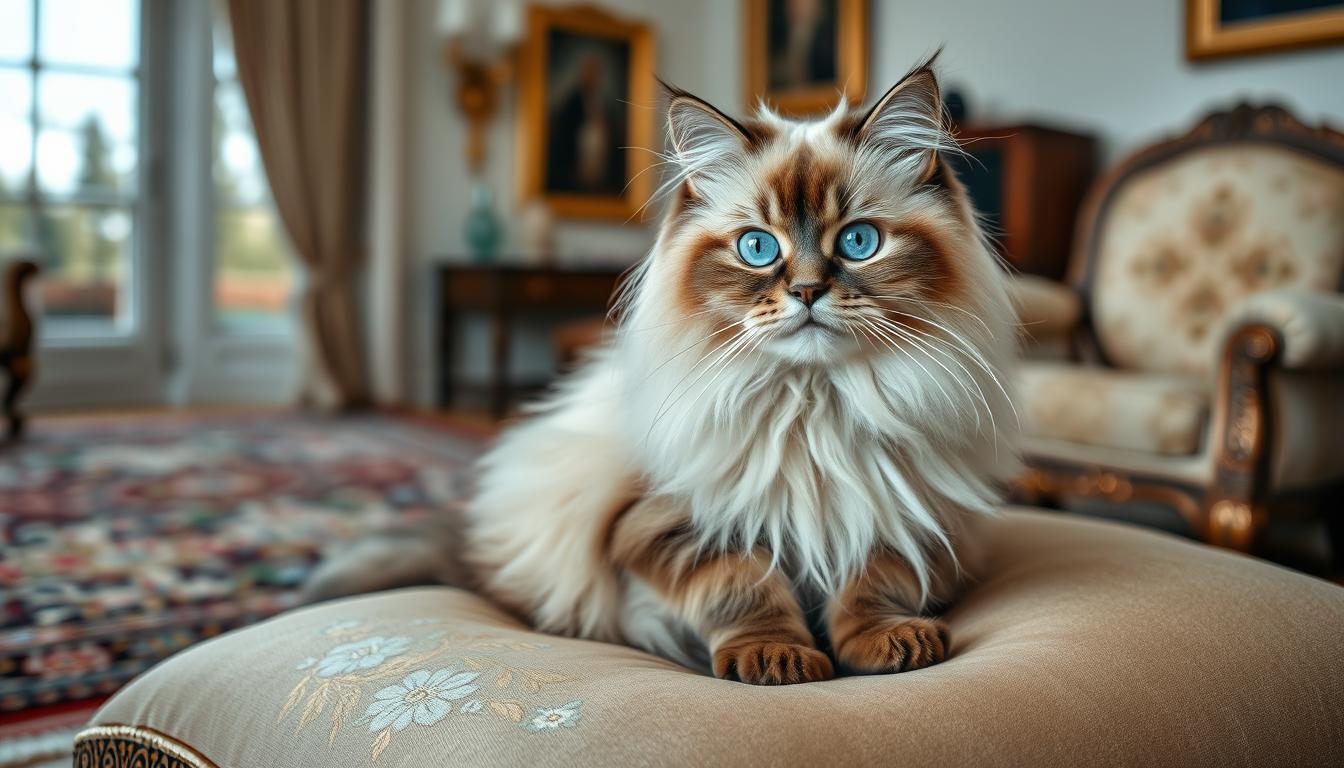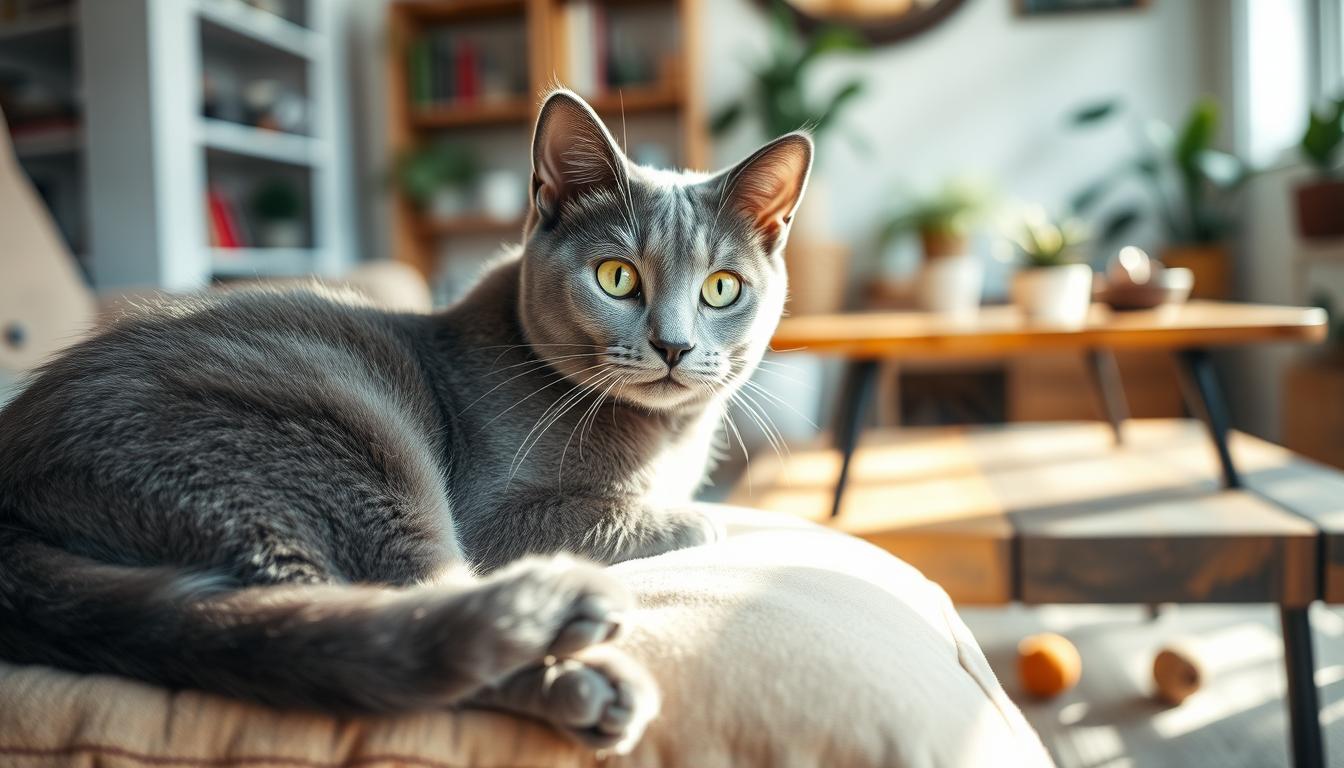

Cats are living longer than ever. Many now reach ages over 15 years, and some even hit 20 years. Advances in nutrition and veterinary medicine have helped a lot in this increase.
When we care for our cats, knowing what affects their lifespan is key. Better diet and healthcare have been very important. They help make their lives longer and better.
Key Takeaways
- Cats are living longer due to advancements in nutrition and veterinary care.
- Feline life expectancy has increased significantly.
- Diet and healthcare play crucial roles in determining a cat’s lifespan.
- Proper care can lead to a longer and healthier life for cats.
- Understanding factors that influence cat lifespan is essential for pet owners.
Understanding Cat Lifespan Variations
Cats’ lifespans are shaped by genetics and environment. Knowing these factors helps us care for our cats better. Several elements are key in determining a cat’s lifespan.
Factors Influencing Lifespan
Genetics, diet, lifestyle, and healthcare are crucial. Genetics affect a cat’s health risks. Diet and nutrition keep them healthy. Lifestyle, like being indoor or outdoor, also matters a lot.
Regular vet visits and care are vital. They help catch health problems early. This can make a big difference in a cat’s life.
Breed Differences and Lifespan
Each cat breed lives differently. Some live longer, others shorter. For example, the British Shorthair can live up to 20 years. The Sphynx breed lives about 12-15 years.
| Breed | Average Lifespan |
|---|---|
| British Shorthair | 15-20 years |
| Sphynx | 12-15 years |
| Maine Coon | 12-15 years |
| Ragdoll | 12-17 years |
Knowing about breed differences helps us prepare for our cat’s aging. By understanding what affects a cat’s lifespan, we can help them live long, happy lives.
The Average Lifespan of Domestic Cats
Knowing how long domestic cats live can help owners care for them better. The lifespan of a domestic cat depends on several things. These include lifestyle, health, and genetics.
Statistics on Lifespan
Studies show indoor cats live longer than outdoor ones. They can live from 12 to 18 years on average. Outdoor cats, on the other hand, face many dangers that can cut their lives short.
| Lifestyle | Average Lifespan |
|---|---|
| Indoor Cats | 12-18 years |
| Outdoor Cats | Significantly less than indoor cats |
Senior Cats: What to Expect
As cats get older, they face more health problems. Senior cats, over 10 years old, need extra care for their health and happiness.
Common health issues in senior cats include:
- Kidney disease
- Arthritis
- Dental problems
Regular vet visits can spot these problems early. This ensures your cat gets the care they need. Knowing about a cat’s health span is key to giving them the best life.
Indoor vs Outdoor Cats: Lifespan Comparison
Indoor and outdoor lifestyles greatly affect a cat’s lifespan. Each lifestyle has its own risks and benefits. Knowing these differences helps cat owners make better choices for their pets.
Safety and Risks for Outdoor Cats
Outdoor cats face many dangers that can shorten their lives. These dangers include:
- Traffic accidents: Cats can get hit by cars, leading to serious injuries or death.
- Diseases and parasites: Outdoor cats are more likely to get sick with diseases like feline leukemia. They also face parasites like ticks and fleas.
- Fights with other animals: Outdoor cats may fight with other cats, dogs, or wildlife, causing injuries.
- Poisoning: Cats may eat toxic substances or plants outside.
Outdoor cats are more likely to be involved in traumas and contract diseases, making their lifespan shorter than indoor cats. Studies show outdoor cats usually live between 2 to 5 years due to these risks.
Indoor Living Benefits
Indoor cats, on the other hand, live longer and healthier lives. The benefits of indoor living include:
- Reduced risk of disease transmission: Indoor cats are less likely to get sick from other animals.
- Protection from traffic accidents: Indoor cats avoid the risk of being hit by cars.
- Less likelihood of fights: Indoor cats are less likely to fight with other animals.
- Better nutrition and care: Indoor cats get regular food and vet care.
By keeping our cats indoors, we can significantly extend their lifespan, often into their late teens or early twenties. Indoor living provides a safer, more controlled environment for cats to thrive.
In conclusion, while outdoor access can provide cats with stimulation and exercise, the risks of outdoor living can drastically reduce their lifespan. By understanding these risks and benefits, cat owners can make informed decisions about their pets’ living arrangements. This ensures they lead long, healthy lives.
How Healthcare Impacts Cat Longevity
Healthcare is key to a cat’s long life and happiness. It’s important to make sure our cats get the medical care they need. This helps keep them healthy and can add years to their life.
Regular Vet Check-ups
Going to the vet regularly is crucial. It helps catch health problems early and keeps cats healthy. Studies show that cats who see the vet often live longer than those who don’t https://pmc.ncbi.nlm.nih.gov/articles/PMC10816413/.
Key components of regular vet check-ups include:
- Vaccinations to protect against infectious diseases
- Parasite control measures to prevent infestations
- Dental care to prevent oral health issues
- Health screenings to detect potential issues early
Preventive Care Essentials
Preventive care is vital for a cat’s health. This includes spaying or neutering, controlling parasites, and keeping a safe environment. These steps help avoid many health problems that can shorten a cat’s life.
The importance of preventive care can be seen in the following table:
| Preventive Measure | Benefit |
|---|---|
| Spaying/Neutering | Reduces the risk of certain cancers and prevents unwanted breeding |
| Parasite Control | Prevents infestations and diseases caused by parasites |
| Safe Environment | Reduces the risk of accidents and injuries |
By combining vet visits with preventive care, cat owners can greatly improve their cat’s life and longevity. It’s important to work with a vet to create a healthcare plan that fits the cat’s needs.
Nutrition’s Role in a Cat’s Lifespan
The food we give our cats is key to their health and long life. A balanced diet keeps them in top shape, boosts their immune system, and helps them live a long, healthy life.
Choosing the Right Diet
Finding the right food for your cat can be tough with so many choices. It’s important to pick a high-quality cat food that fits your cat’s needs. Look for foods rich in protein because cats need a lot of animal-based ingredients.
When picking a cat food, think about these things:
- The cat’s life stage (kitten, adult, or senior)
- The cat’s activity level
- Any health issues or allergies
- The quality of the ingredients
Supplements for Healthy Aging
As cats get older, their diet needs change. Supplements can be very helpful in keeping them healthy as they age. Omega-3 fatty acids, for example, can help with inflammation and joint health.
Before adding supplements, talk to a vet. They can tell you if your cat needs them and what kind and how much.
Some good supplements for cats include:
| Supplement | Benefits |
|---|---|
| Omega-3 fatty acids | Reduces inflammation, supports joint health |
| Probiotics | Supports digestive health |
| Vitamin E | Antioxidant properties |
Common Health Issues in Cats
Cats can face many health problems that affect their life quality and length. As cat owners, knowing these issues helps us care for them better.
Chronic Conditions That Shorten Lifespan
Chronic conditions are long-term health issues that can impact a cat’s life quality and length. Common ones include diabetes, kidney disease, and arthritis. These can be managed with the right care, diet, and lifestyle changes.
Diabetes in cats needs careful management through diet and insulin. Regular vet visits are key to monitoring and adjusting care.
| Chronic Condition | Symptoms | Management |
|---|---|---|
| Diabetes | Increased thirst, frequent urination | Dietary changes, insulin therapy |
| Kidney Disease | Weight loss, poor appetite | Dietary adjustments, medication |
| Arthritis | Limping, stiffness | Pain management, physical therapy |
Early Signs of Health Problems
Spotting early signs of health issues is key for timely care. Look out for changes in appetite, vomiting, diarrhea, and lethargy. If you see these signs, see your vet right away.
As the ASPCA says, “Early detection and treatment can greatly improve a cat’s life quality.” Regular vet visits and watching your cat’s behavior and health can catch issues early.
“The key to managing chronic conditions in cats is early detection and proper management. Regular veterinary care is essential for maintaining your cat’s health.”

The Role of Genetics in Cat Longevity
A cat’s genetic background greatly affects their lifespan. Some breeds live longer than others. Genetics also play a big role in a cat’s health, making them more or less likely to get certain diseases.
Knowing what genetic factors influence a cat’s longevity is important. Genetic traits from a cat’s parents can greatly impact their lifespan.
Inherited Traits to Consider
Several genetic traits can affect a cat’s lifespan, including:
- Polycystic Kidney Disease (PKD): a common inherited condition in some breeds that can lead to kidney failure.
- Hemophilia: a bleeding disorder that can be inherited by certain breeds.
- Hypertrophic Cardiomyopathy: a heart condition that can be inherited and is prevalent in some breeds.
Knowing about these genetic issues can help cat owners and breeders make better choices for their cats’ health.
Popular Breeds and Their Lifespans
Different cat breeds have varying lifespans due to their genetic makeup. Here are some popular breeds and their average lifespans:
| Breed | Average Lifespan |
|---|---|
| Siamese | 15-20 years |
| Maine Coon | 12-15 years |
| British Shorthair | 12-17 years |
Knowing the average lifespan of different breeds can help owners prepare for their cat’s aging needs.
Tips for Extending Your Cat’s Life
To extend your cat’s life, focus on their overall well-being. This includes enrichment activities and keeping them active. As cat owners, we have a big role in helping our feline friends live long, healthy lives. By creating the right environment and care, we can greatly impact their lifespan.
Enrichment Activities for Well-being
Engaging your cat in enrichment activities is key for their mental and physical health. These activities can include:
- Interactive toys that challenge and engage
- Scratching posts to maintain nail health and stretch
- Climbing structures for exercise and observation
Such activities not only keep your cat active but also reduce stress and boredom.
Keeping Your Cat Active
Regular physical activity is vital for maintaining your cat’s health. Simple ways to keep your cat active include:
- Playing with your cat using laser pointers or feather toys
- Creating a catio or outdoor enclosure for safe exploration
- Encouraging climbing and jumping through environmental changes
Keeping your cat active not only improves their physical health but also enhances their mental well-being.
For example, adding a new toy or rearranging furniture can stimulate your cat’s curiosity and encourage activity.
By focusing on enrichment activities and keeping your cat active, you can significantly contribute to extending their lifespan and improving their quality of life.
Understanding the Aging Process in Cats
The aging process in cats is complex, involving physical and behavioral changes. As cats get older, they face health and well-being changes. These changes also affect how they interact with their surroundings.
Signs of Aging to Watch For
Aging cats show signs of getting older. These include:
- Changes in appetite or weight loss
- Deterioration in coat condition
- Increased sleeping or lethargy
- Decreased mobility or stiffness
- Changes in vocalization or behavior
Watching for these signs helps owners spot health issues early. A study in the Journal of Feline Medicine and Surgery found early detection improves a cat’s life quality.
“Aging cats require attentive care and regular monitoring to ensure their health and comfort are maintained.”
How Aging Affects Behavior
Aging changes a cat’s behavior. This can include:
| Behavioral Change | Possible Cause |
|---|---|
| Increased aggression or irritability | Potential pain or discomfort |
| Decreased interaction or playfulness | Reduced energy or sensory decline |
| Changes in litter box behavior | Medical issues or cognitive decline |
It’s key to understand these behavioral changes. By recognizing signs of aging and adjusting our care, we can support our cats as they age.

As we care for our aging cats, knowing about their physical and behavioral changes is crucial. This knowledge helps us make the necessary care adjustments, ensuring they age well.
Senior Cat Care: Special Considerations
Aging cats need special care. As they get older, their health and body change. We must adjust their care to keep them comfortable.
Adjusting Diet for Older Cats
Older cats need a different diet than younger ones. Their nutritional needs change with age. A diet for a younger cat may not be right for a senior cat. Nutritional adjustments are crucial for their health.
Older cats may need fewer calories but still need a balanced diet. It’s also key to consider their health issues, like kidney disease or arthritis. Some senior cats may need a diet that’s easier to digest or has special ingredients.
Comfort and Environment for Senior Cats
Creating a comfortable environment is crucial for senior cats. As they age, they may move less or feel pain. It’s important to make sure they can easily get to their favorite spots, litter boxes, and food and water bowls.
Comfortable bedding and a warm place can greatly improve their life. Also, keeping their environment stable can help reduce stress.
By making these changes, we can greatly improve our senior cats’ lives. We can ensure they stay comfortable and happy as they age.
The Role of Spaying/Neutering in Lifespan
Spaying or neutering is key to a cat’s long life. This surgery stops unwanted litters and can add years to your cat’s life. It’s a big part of being a responsible pet owner.
Health Benefits of Sterilization
Sterilization brings many health perks for your cat. These benefits include:
- Reduced Risk of Certain Cancers: It lowers the chance of uterine and testicular cancer.
- Prevention of Undesirable Behaviors: It stops behaviors like spraying and roaming, which can be dangerous.
- Elimination of Reproductive-Related Health Issues: It removes health risks from the reproductive system, like pyometra in females.
Potential Risks of Not Spaying/Neutering
Not spaying or neutering has its own risks. These include:
- Increased Risk of Roaming: Unneutered cats roam more, facing dangers and diseases.
- Higher Incidence of Certain Health Issues: It can lead to more health problems, like prostate issues in males.
- Contribution to Pet Overpopulation: It adds to the pet overpopulation problem, leading to more homeless or euthanized cats.
In summary, spaying or neutering is vital for a cat’s health and longevity. Knowing the benefits and risks helps owners make the best choice for their pet.
Celebrating Your Cat’s Life: Final Thoughts
Reflecting on our journey with our feline friends shows us the importance of understanding their needs. This leads to a fulfilling companionship. Celebrating our cat’s life means cherishing the moments we share with them.
Making Memories Last
Creating lasting memories with our cats involves activities that stimulate their natural behaviors. These activities strengthen our bond. Simple actions like playing with our cat or creating a cat-friendly environment are rewarding.
These moments honor the joy our pets bring to our lives. They make our cat life celebration special.
Finding Support and Guidance
For cat owners looking for more information, many resources are available. These include veterinary care and nutritional advice. They help us provide the best life for our cats.
By using these resources, we can ensure our cats live long, healthy, and happy lives. This creates more opportunities for lasting memories.