
Did you know that Oriental cat breeds are among the most diverse and visually stunning feline companions? They have sleek bodies and a wide range of colors. They share traits with Siamese cats but have their own unique character.
We’re about to explore the enchanting world of these captivating cats. Oriental cats are known for their intelligence, affectionate nature, and playful personalities. This makes them a favorite among many cat lovers.
Our guide aims to give you a deeper understanding of these unique cat breeds oriental characteristics. We want to help you appreciate their beauty and charm.
Key Takeaways
- Oriental cat breeds are known for their diverse appearance and engaging personalities.
- They are highly intelligent and require stimulation.
- Affectionate and playful, they make great companions.
- These breeds come in a wide range of colors and patterns.
- Understanding their unique traits can help you better care for them.
What Are Oriental Cat Breeds?
Oriental cat breeds have a rich history and a wide range of traits. They have won the hearts of cat lovers for centuries. Their beauty and loving nature are just a few reasons why.
Origins and History
The Oriental cat breed comes from Siam, now Thailand. The Siamese cat, a sacred animal there, is the base of many Oriental breeds. These cats were brought to Europe, where they were prized for their looks and personalities.
Over the years, breeders have created many Oriental breeds. Each has its own special traits but keeps the core qualities that make them loved. This shows the dedication of breeders to make cats that are both beautiful and engaging.
Unique Characteristics
Oriental cat breeds are active and inquisitive, making them great pets. They are known for their vocal nature, often “talking” to their owners. Their coat colors and patterns are also diverse, from the sleek Siamese to the vibrant Oriental Shorthair.
The physical traits of Oriental breeds vary as much as their personalities. From their slender heads to their striking coat patterns, each breed has its own charm. Here’s a table showing some key traits of popular Oriental cat breeds:
| Breed | Coat Type | Personality Traits |
|---|---|---|
| Siamese | Short, fine coat | Extroverted, vocal, affectionate |
| Balinese | Medium-length coat | Playful, intelligent, social |
| Oriental Shorthair | Short, sleek coat | Curious, energetic, playful |
Knowing these unique traits helps us appreciate the diversity of Oriental cat breeds. Whether you prefer the sleek Siamese or the colorful Oriental Shorthair, there’s a breed for every cat lover.
Popular Oriental Cat Breeds
Oriental cats are known for their beautiful looks and friendly nature. They are loved by many because of their special traits. Let’s look at some top Oriental cat breeds, like the Siamese, Balinese, and Oriental Shorthairs.
Siamese Cats
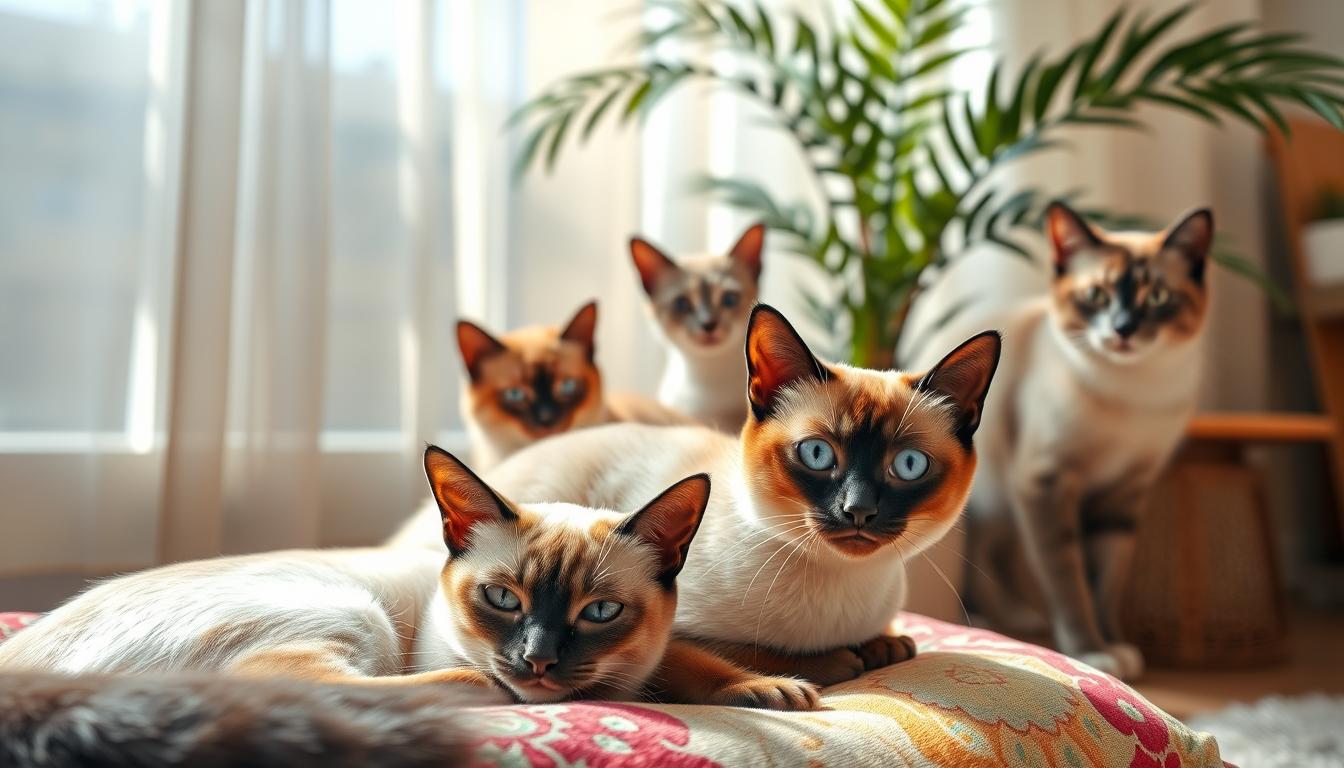
The Siamese cat is famous for its pointed coat pattern and vibrant blue eyes. They come from Thailand and have a long history. Their smart, lively, and loving nature makes them a favorite among cat lovers.
Balinese Cats
The Balinese cat, also called the “long-haired Siamese,” has a silky, fine coat. Their coat is beautiful and soft. They are smart and social, loving to be around people.
Oriental Shorthairs
Oriental Shorthairs are known for their diverse coat colors and patterns. They come in many colors and patterns. Their playful and adaptable nature makes them great for families and individuals.
These Oriental cat breeds are loved worldwide for their unique looks and personalities. Whether you prefer the Siamese, Balinese, or Oriental Shorthair, each offers a special bond that can make your life richer.
Siamese Cats: A Closer Look
Siamese cats are known for their striking looks and outgoing personalities. They belong to the oriental cat family. This makes them unique and loved by many.
Personality Traits
Siamese cats are full of energy and love to show affection. They talk a lot and want lots of attention. Their smart and curious nature means they need lots of play and interaction.
Some key personality traits include:
- Extremely affectionate and demanding of attention
- Highly intelligent and curious
- Vocal and communicative
- Active and playful
Care Requirements
Taking care of a Siamese cat means meeting their physical and emotional needs. They need regular grooming to keep their coat healthy and looking good. For more info on Siamese cats, check out this resource.
They need a balanced diet to support their active lifestyle. Regular play and exercise are key to their happiness and health.
| Care Aspect | Description | Frequency |
|---|---|---|
| Grooming | Brushing their coat to prevent matting | 2-3 times a week |
| Diet | Providing a balanced and nutritious diet | Daily |
| Exercise | Engaging in play and physical activity | Daily |
Balinese Cats: The Long-Haired Siamese
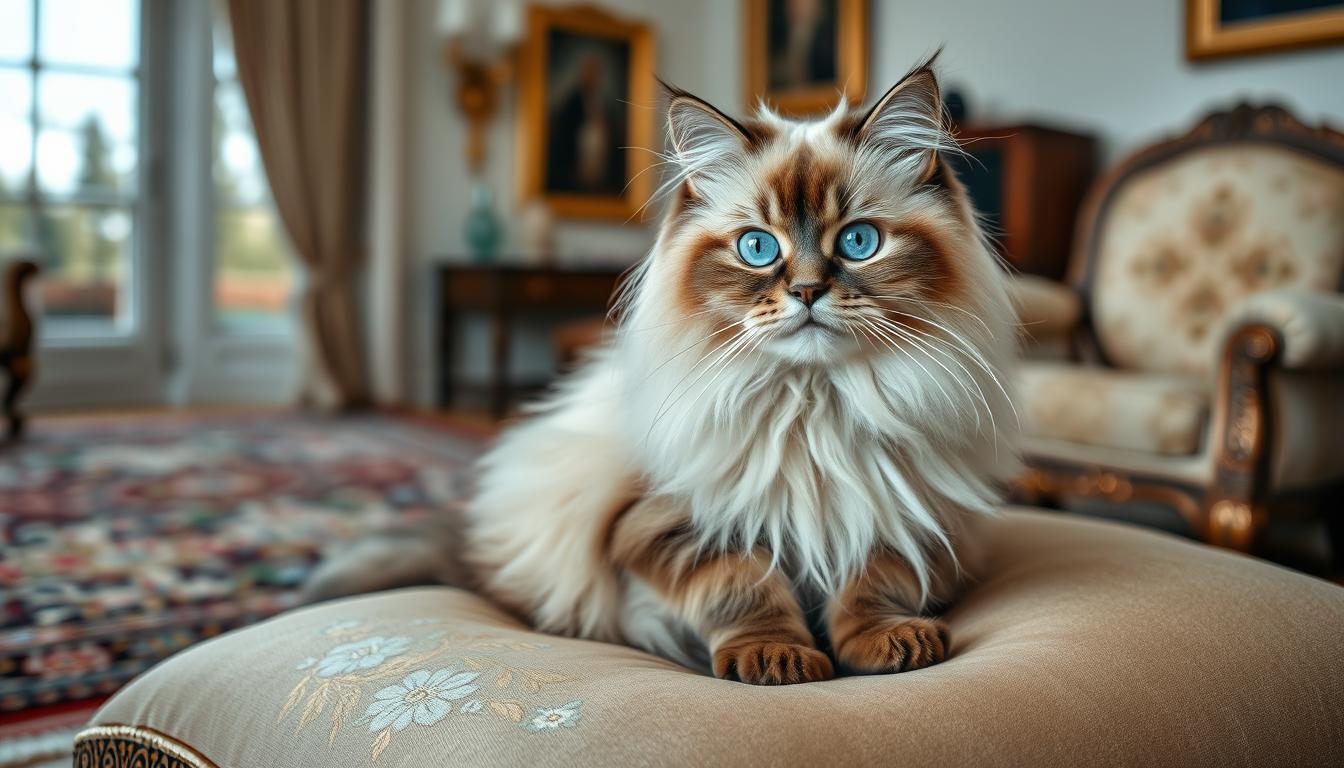
The Balinese cat is a standout among exotic oriental cat breeds. It has a beautiful appearance and a charming personality. Known as the long-haired Siamese, it combines elegance with the engaging traits of its Siamese ancestors.

Distinct Features
The Balinese breed has a silky, fine coat that needs regular grooming. Unlike the short-haired Siamese, Balinese cats have a medium-length coat. This adds to their beauty. Their coat colors include seal, blue, chocolate, and lilac, following the Siamese pattern.
They have striking blue eyes from their Siamese heritage. These almond-shaped eyes give them an intelligent and alert look. Their sleek, muscular body and wedge-shaped head complete their striking appearance.
Social Behavior
Balinese cats are outgoing and affectionate. They love being around people and are very social. Unlike some cats, they crave attention and enjoy being the focus.
They are vocal, using a soft, melodious voice to express themselves. In homes with other pets, Balinese cats usually get along well. They are playful and curious, making them fun to watch. The Balinese cat is a great choice for those who want a cat that’s part of the family.
Oriental Shorthairs: The Colorful Companions
Oriental Shorthairs are a vibrant and diverse breed. They capture the hearts of cat lovers with their wide range of colors and patterns. As one of the many oriental cat breeds, they are known for their unique looks and engaging personalities.
Coat Colors and Patterns
The Oriental Shorthair breed boasts a wide variety of coat colors and patterns. They come in solid, tabby, tortoiseshell, and pointed patterns. This makes each Oriental Shorthair special, offering a visual appeal that cat lovers can’t resist.
According to the International Cat Association, Oriental Shorthairs are recognized in many colors and patterns. This further adds to their appeal among cat fanciers.
Temperament Overview
Oriental Shorthairs are known for their outgoing and affectionate nature. They are highly social cats that love to interact with their human family. Their playful nature makes them entertaining companions, often described as having a dog-like personality.
We find that Oriental Shorthairs are not just visually stunning but also make great family pets. They are friendly and outgoing, making them good with children and other pets, as long as they are socialized from an early age.
How Oriental Cats Differ from Other Breeds
Oriental cats are truly unique, with striking physical traits and engaging personalities. They stand out from other cats in many ways. Their looks and behavior make them special.
Physical Attributes
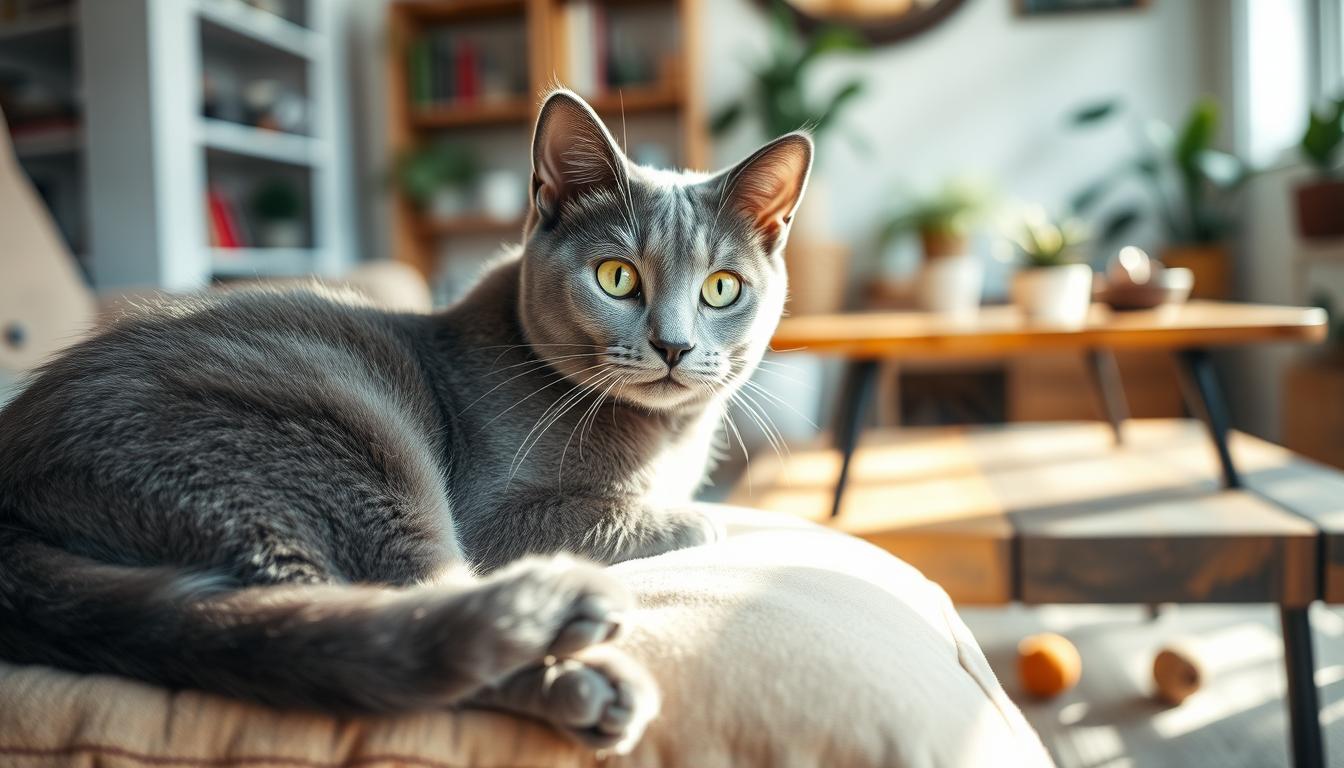
Oriental cats have a sleek physique and diverse coat colors. Each cat has its own pattern and color, making them all unique. They are known for their slender build and wedge-shaped heads.
| Physical Attribute | Description |
|---|---|
| Body Type | Sleek and slender |
| Coat Colors | Variety of colors and patterns |
| Head Shape | Wedge-shaped |
Behavioral Traits
Oriental cats are not just beautiful; they are also active and vocal. They love to interact and need lots of attention. They are extroverted and affectionate, forming strong bonds with their families.
Here are some of their key traits:
- They are very vocal, often “talking” to their owners.
- They are highly energetic and require stimulation.
- They are very affectionate and love human interaction.

In summary, oriental cat breeds are unique. They have special physical and behavioral traits. Knowing these traits helps decide if an oriental cat is right for you.
Caring for Oriental Cat Breeds
To keep your Oriental cat healthy and happy, it’s key to know their care needs. These cats are known for their striking looks and unique personalities. With the right care, they can thrive. They need a balanced diet, regular grooming, and a loving home.
Diet and Nutrition
A balanced diet is vital for Oriental cats’ health. They need high-quality food rich in protein and moderate in fat. Make sure they always have fresh water.
When picking cat food, think about your cat’s age, size, and activity level. Kittens need more protein and calories than adult cats. Here’s a quick guide to their dietary needs:
| Life Stage | Dietary Recommendations |
|---|---|
| Kitten | High-protein, high-calorie food |
| Adult | Balanced protein and fat, moderate calories |
| Senior | Lower calorie, easier-to-digest food |
Grooming Needs
Oriental cats have a short, sleek coat that needs little grooming. But, regular brushing helps reduce shedding and keeps their coat healthy.
Regular grooming tips: Brush your Oriental cat weekly. Also, check their ears and eyes often. Trim their nails when needed.
Health Considerations for Oriental Cats
Oriental cat breeds are known for their beauty and loving nature. But, they can face health issues that need attention. It’s key to know about these problems to care for your cat well.
Common Health Issues
Oriental cats, like Siamese and Balinese, might get sick with amyloidosis. This is when proteins build up in organs, causing problems. They can also have crossed eyes, which is more common in Siamese cats. This doesn’t usually hurt but can make life harder for them.
Here’s a table of common health issues in Oriental cats:
| Health Issue | Description | Affected Breeds |
|---|---|---|
| Amyloidosis | Deposition of amyloid proteins in organs | Siamese, Balinese |
| Crossed Eyes (Strabismus) | A condition causing the eyes to cross | Siamese |
| Progressive Retinal Atrophy | Degeneration of the retina leading to blindness | Oriental Shorthairs, Balinese |
Regular Veterinary Care
It’s vital to take your Oriental cat to the vet regularly. They should go at least once a year, or more often if needed. Vets can give shots, check for health problems, and give advice on food and diet.
Looking after your cat’s health can make their life better. Watch for any changes in how they act or look. If you notice anything odd, see the vet right away.
Training Your Oriental Cat
Oriental cats are very smart and love to please. They learn quickly, making them a pleasure to train. They pick up commands and behaviors fast.
Positive Reinforcement Techniques
Positive reinforcement is a top method for training Oriental cats. It rewards good behavior with treats, praise, or play. This encourages them to do it again. Clicker training is also popular, using a clicker to mark the exact moment of good behavior, then rewarding them.
To use positive reinforcement well, be consistent and reward on time. Oriental cats are smart and can get confused if training is not clear or consistent.
Socialization Tips
Socialization is key for a well-adjusted Oriental cat. It means exposing them to different places, people, and animals. This helps them feel confident and calm in new situations. Early socialization is crucial for good social skills.
Effective socialization tips include introducing your cat to new things slowly. Stay positive and calm during interactions. Reward them for staying calm. This way, your Oriental cat will become friendly and sociable.
The Best Environment for Oriental Cats
Creating a perfect home for exotic oriental cat breeds is key to their joy and health. We’ll look at what makes a great environment for these cats.
Indoor vs. Outdoor Living
Oriental cats do well indoors and outdoors, but each has its own benefits and drawbacks. Indoor living keeps them safe from dangers like cars and wild animals. On the other hand, outdoor living lets them explore and get exercise. But, outdoors can also bring risks like sickness and injuries.
Creating a Safe Space
To make a safe and fun space, add climbing spots and toys. For example, cat trees or shelves let them climb. Puzzle toys keep their minds active and engaged.
For more tips on improving your cat’s home, check out our services page.
Embracing Life with an Oriental Cat
Building a strong bond with your Oriental cat is rewarding for both you and your pet. These cats love to interact and get attention. They are known for their unique characteristics.
To connect deeply, spend quality time with your cat. Engage in activities that spark their curiosity and playfulness. Oriental cat breeds like Siamese and Balinese are very social and love being around people.
Nurturing a Lifelong Bond
Play interactive games with your Oriental cat. Use toys that test their agility and smarts. Puzzle toys filled with treats keep them mentally sharp and happy.
Enriching Activities for Your Cat
Creating a nurturing space is key for your Oriental cat’s well-being. Make sure they have climbing spots, scratching posts, and cozy places to rest. Regular play and a varied environment keep your cat joyful and healthy.